
Almost everyone shares the same hope for the later decades of life: to keep doing the things that matter, in the places we love, on our own terms. Whether that means gardening, traveling, playing with grandchildren or simply living in your own home, independence is deeply tied to dignity and happiness. The encouraging news is that much of how we age is shaped by daily habits and steady preventive care, and it is rarely too late to begin.
What Healthy Aging Really Means
Healthy aging does not mean avoiding every health problem or looking younger. It means preserving the physical ability, mental sharpness and emotional well-being you need to live fully. Many people manage chronic conditions such as high blood pressure, diabetes or arthritis and still stay active and independent. The goal is to protect function: walking confidently, managing daily tasks, thinking clearly and staying connected to others.
Why Movement Matters So Much
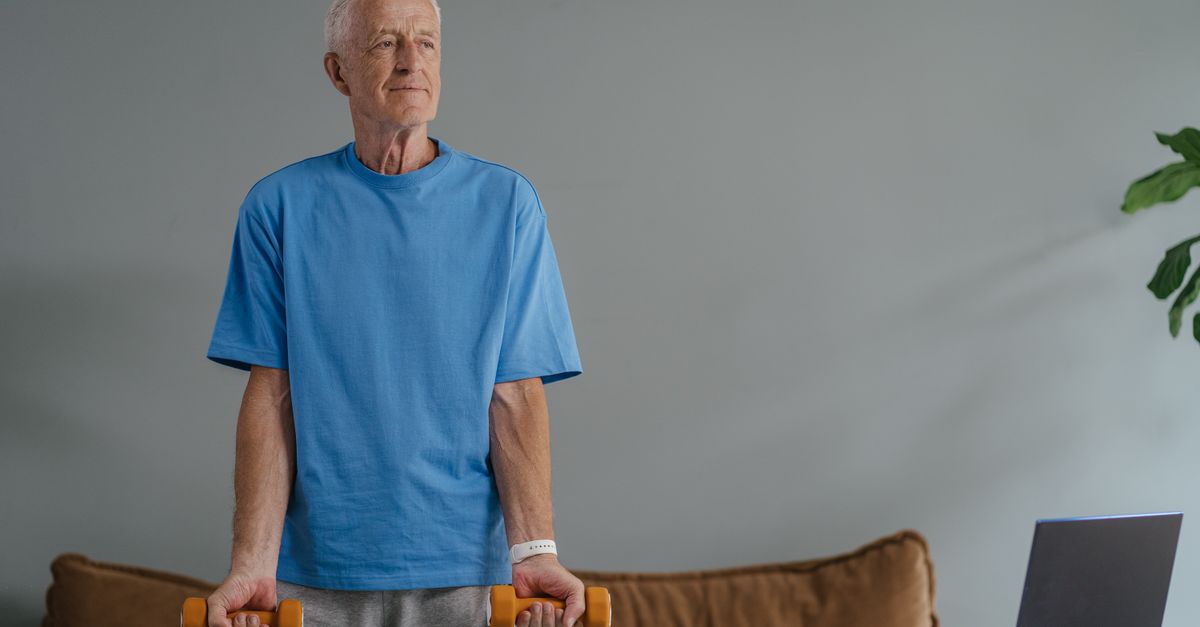
Starting around midlife, adults gradually lose muscle mass and strength unless they work to maintain them. This loss, called sarcopenia, can make stairs, grocery bags and getting out of a chair harder. Research consistently shows that regular physical activity lowers the risk of heart disease, type 2 diabetes, depression, some cancers and falls. Public health guidelines recommend at least 150 minutes of moderate aerobic activity weekly for older adults, plus muscle-strengthening activity on two or more days.
Balance training is just as important. Falls are a leading cause of injury among older adults, and exercises such as standing on one foot, heel-to-toe walking, tai chi and gentle yoga have been shown to reduce fall risk. If you have not exercised in a while, start slowly and talk with your clinician first, especially if you have heart disease, joint problems or dizziness.
Nutrition, Sleep and Mental Health
Eating patterns rich in vegetables, fruits, whole grains, beans, nuts, fish and olive oil, such as the Mediterranean diet, are linked to better heart health and may support brain health. Adequate protein helps preserve muscle, and staying hydrated matters because the sense of thirst can fade with age. Sleep also changes, but persistent insomnia, loud snoring or daytime exhaustion deserve attention rather than being dismissed as normal aging.
Emotional health is part of physical health. Loneliness and isolation are associated with higher risks of heart disease and cognitive decline. Regular contact with friends, family, faith communities, volunteer work or hobby groups all help. Feeling persistently sad, anxious or withdrawn is not something you have to accept; it is treatable.
The Role of Preventive Primary Care
Regular visits with a primary care clinician let small concerns be caught early. Depending on your age and history, this may include blood pressure and cholesterol checks, diabetes screening, cancer screenings, bone density testing, vision and hearing checks, memory screening and recommended vaccines such as influenza, pneumococcal, shingles and COVID-19. Medication review is especially valuable: the more prescriptions and supplements someone takes, the greater the chance of side effects or interactions that cause dizziness, confusion or falls.
Practical Steps You Can Start Today
- Aim for about 150 minutes a week of moderate activity, such as brisk walking
- Add strength training on two or more days each week
- Practice balance exercises several times a week
- Keep up with vaccines, screenings and annual health exams
- Review all medications and supplements with your clinician at least once a year
- Stay socially connected and keep your mind engaged
Making your home safer also helps: good lighting, removing loose rugs, installing grab bars and wearing supportive footwear all lower the chance of a fall. Do not smoke, and limit alcohol, which affects balance and interacts with many medications.
When to Talk With a Clinician
Reach out if you notice unexplained weight loss, a fall or near-fall, new memory trouble, ongoing fatigue, changes in mood, or difficulty with everyday tasks. These are not simply "part of getting older," and many have treatable causes. Seek emergency care right away for chest pain, sudden weakness, trouble speaking or severe shortness of breath.
Opal Medical Group offers preventive and annual health exams, medication management and telehealth visits from our office at 1126 Opal Ct, Hagerstown, MD, and we are currently accepting new patients. Call (240) 420-2666 to start a conversation about your goals for staying active and independent.