
COPD Treatment in Hagerstown
Chronic obstructive pulmonary disease can make every breath feel like work, but the right care can ease symptoms and help you stay active. At Opal Medical Group, we build a personalized primary care plan to manage your COPD and support your breathing over the long term.
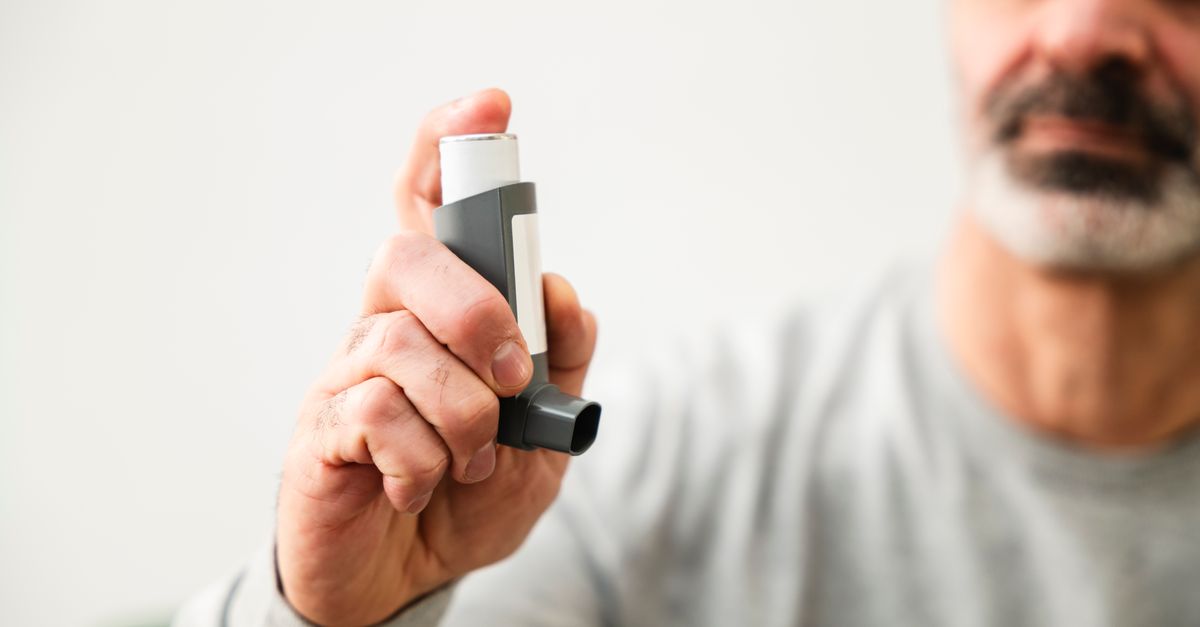
Understanding COPD
Chronic obstructive pulmonary disease, or COPD, is a group of progressive lung conditions, mainly chronic bronchitis and emphysema, that restrict airflow and make breathing difficult. In chronic bronchitis the airways are inflamed and produce excess mucus; in emphysema the tiny air sacs in the lungs are damaged and lose elasticity. COPD is one of the most common chronic lung diseases in the United States and a leading cause of disability. It often develops slowly, and many people attribute early symptoms to aging or being out of shape, so it frequently goes undiagnosed for years. Over time it can limit work, exercise, sleep and social life.
The leading cause of COPD is long-term exposure to irritants that damage the lungs, most commonly cigarette smoke, including secondhand smoke. Occupational dust, chemical fumes and vapors, and heavy air pollution can also contribute, as can long-term exposure to smoke from burning fuels. A rare inherited condition called alpha-1 antitrypsin deficiency can cause COPD, sometimes in younger people with little smoking history. Risk increases with age, and people with a history of childhood respiratory infections or asthma may be more susceptible. Symptoms usually appear in middle age or later.
Although COPD cannot be cured and existing lung damage cannot be reversed, professional treatment makes a real difference. Appropriate medication can open the airways, reduce flare-ups and improve exercise tolerance, while stopping smoking is the single most effective way to slow progression. Without care, COPD can worsen faster, lead to hospitalizations and strain the heart. Regular medical oversight helps confirm the diagnosis with breathing tests, screen for related conditions, keep vaccines current and give you a plan for what to do when symptoms flare.
Signs & Symptoms of COPD
- Chronic cough. A persistent cough that lasts for weeks or months and may be worse in the morning.
- Mucus production. Regular coughing up of phlegm that may be clear, white, yellow or greenish.
- Shortness of breath. Breathlessness during activities that used to feel easy, such as climbing stairs.
- Wheezing. A whistling or squeaky sound when breathing out, caused by narrowed airways.
- Chest tightness. A feeling of pressure or constriction across the chest.
- Frequent respiratory infections. Colds, bronchitis or flu that occur often and take longer to clear.
- Fatigue. Low energy because breathing takes more effort and oxygen exchange is reduced.
- Reduced activity tolerance. Gradually avoiding walking, chores or exercise to prevent breathlessness.
What to Expect
- Personalized COPD care plan matched to your symptoms and goals
- Review of breathing tests such as spirometry to confirm diagnosis and severity
- Inhaled medications, vaccination review and a flare-up action plan
- Regular follow-up to adjust treatment and check inhaler technique
- Telehealth visits available for suitable follow-ups and medication management
How We Treat COPD
1. Assessment
We review your symptoms, smoking and exposure history, and medical background in detail. Breathing tests such as spirometry may be arranged or reviewed to confirm the diagnosis and gauge severity. We also check for related conditions that can affect your breathing.
2. Treatment Plan
Together we build a plan matched to your symptoms and goals. This may include inhaled medications, vaccination review, an action plan for flare-ups and support to quit smoking. You will leave knowing what each step is for and how to use your devices correctly.
3. Ongoing Care
We follow up regularly to see how you are breathing and adjust treatment as needed. Visits track symptoms, inhaler technique and activity level. Telehealth visits can be used for some check-ins and medication management.
Benefits
A Personalized Care Plan
Your COPD plan reflects your symptoms, daily routine and goals rather than a one-size-fits-all approach.
Unhurried Time to Ask Questions
We want you to understand your diagnosis, your medications and what to watch for, so we make space for your questions.
Coordinated Follow-Up
Regular follow-up keeps your treatment on track and helps us respond early when something changes.
Telehealth Visits
Video visits are available for suitable follow-ups and medication management, saving you a trip when you are short of breath.
Your Treatment Journey
First Evaluation (Week 1)
We take a thorough history, review your symptoms and current medications, and discuss breathing testing. Expect a clear explanation of what we find and the next steps.
Treatment Begins (Weeks 2-4)
You start your treatment plan, often including inhaled therapy and a flare-up action plan. Many people notice easier breathing within weeks, though COPD cannot be cured and lung damage is not reversed.
Progress Review (Months 2-3)
We assess how you are responding, check inhaler technique and fine-tune medications. This is a good time to discuss activity, pulmonary rehabilitation and vaccinations.
Long-term Management
COPD is a chronic condition, so care continues with regular reviews. The goal is fewer flare-ups, steadier breathing and the ability to stay active.
Warning Signs That Need Prompt Care
Severe breathlessness at rest. Difficulty catching your breath while sitting still needs urgent evaluation.
Blue or gray lips or fingertips. This can signal low blood oxygen and requires emergency care.
Sudden worsening of symptoms. A flare-up (exacerbation) with much more cough, mucus or breathlessness than usual.
Change in mucus color or amount. Darker, thicker or bloody mucus may indicate infection or another problem.
Fever with worsening cough. Infection can trigger serious COPD flare-ups and may need prompt treatment.
Confusion or unusual drowsiness. These can be signs of low oxygen or high carbon dioxide levels.
Swelling in ankles or legs. Fluid retention can be linked to advanced lung disease affecting the heart.
Rescue inhaler not helping. If relief does not last or you need it more often, seek care promptly.
When to Seek Help
If you recognize these signs, help is available. Early treatment leads to better outcomes.
If you have severe trouble breathing or bluish lips, call 911 or go to the nearest emergency department.
Evidence-Based COPD Care
Evidence-based COPD care commonly includes short-acting bronchodilators (rescue inhalers) for sudden symptoms, and long-acting bronchodilators such as LABA and LAMA inhalers for daily control. Inhaled corticosteroids may be added for people who have frequent flare-ups or features of asthma. Oral medications may be used for flare-ups, and antibiotics when a bacterial infection is suspected. Non-drug measures matter just as much: smoking cessation support, vaccinations against influenza, pneumonia, COVID-19 and RSV when appropriate, breathing techniques, pulmonary rehabilitation referral, nutrition and activity guidance. People with very low oxygen levels may be evaluated for supplemental oxygen, and some may be referred to a lung specialist.
Common Questions About COPD
How long does COPD treatment take?
COPD is a long-term condition, so treatment is ongoing rather than a short course. Medications can improve symptoms within days to weeks, and your plan is reviewed regularly and adjusted over time.
Is medication required for COPD?
Most people with COPD benefit from medication, typically inhalers that open the airways or reduce inflammation. Your clinician will recommend what fits your symptoms and severity. Quitting smoking, staying active and keeping vaccinations current are also important parts of care.
Does insurance cover COPD treatment?
Coverage depends on your plan, and we do not list specific plans here. Please call us at (240) 420-2666 and our team can talk through your questions.
What if the first treatment does not work?
Finding the right regimen often takes adjustment. If symptoms persist, we can change medications, review inhaler technique, look for other contributing conditions and discuss additional options such as pulmonary rehabilitation or specialist referral.
Can telehealth work for COPD?
Yes, for many visits. Telehealth is useful for medication management, reviewing symptoms and follow-up. Some situations, like breathing tests or a serious flare-up, need an in-person evaluation.
Are you accepting new patients in Hagerstown?
Yes, Opal Medical Group is currently accepting new patients. Call (240) 420-2666 or use our contact page to get started at 1126 Opal Ct, Hagerstown, MD 21740.
Related Conditions
Get Help for COPD Today
You don't have to face COPD alone. We are ready to help.
Schedule an Appointment