
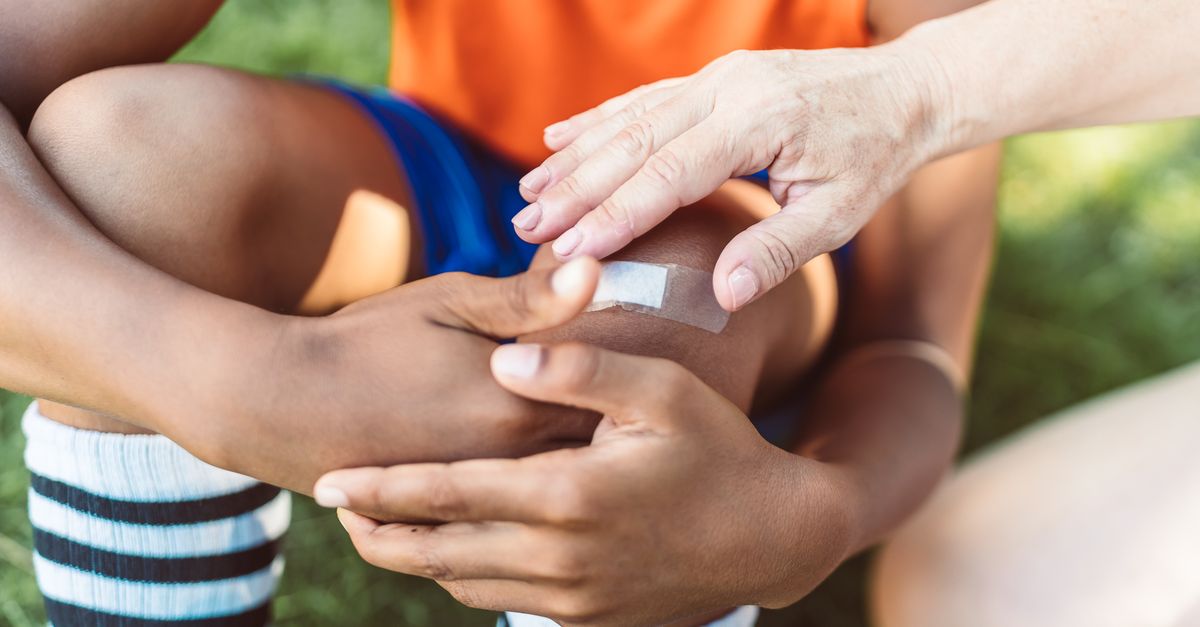
It happens in a second: a slip on the stairs, a kitchen knife that goes a little too deep, a twisted ankle on an uneven sidewalk. Then comes the worry. Can I handle this myself, or should someone take a look? Many people either rush in for something that would have healed on its own or wait too long on an injury that needed attention. This guide offers a practical way to think it through.
What Counts as a Minor Injury?
Minor injuries are those that cause limited pain, do not impair major body functions, and are not life-threatening. Common examples include small cuts and scrapes, bruises, mild sprains and strains, minor burns, insect stings, and jammed fingers. They affect everyone, from children at play to adults doing yard work and older adults who may be more prone to falls.
Injuries You Can Often Manage at Home
Many everyday injuries heal well with simple self-care. Basic first aid is supported by widely accepted guidance from groups such as the American Academy of Family Physicians and the Red Cross.
- Small cuts and scrapes: Wash your hands, rinse the wound with clean running water, apply gentle pressure to stop bleeding, and cover with a clean bandage.
- Mild sprains and strains: Rest, ice for 15 to 20 minutes at a time, light compression, and elevation can ease swelling.
- Bruises: Cold packs in the first day, then time. Most fade over one to two weeks.
- Minor burns: Cool running water for several minutes, then a loose clean covering. Avoid butter, oils, or ice.
Signs It Is Time for an Office Visit
Home care works only while the injury behaves the way a minor one should. Contact a clinician if you notice any of the following:
- A cut that is deep, gaping, or will not stay closed, which may need stitches or adhesive closure.
- Redness spreading from a wound, warmth, swelling, pus, or fever, all possible signs of infection.
- Difficulty putting weight on a limb, a joint that looks misshapen, or pain that is severe or worsening.
- Numbness, tingling, or trouble moving a finger or toe.
- An injury that is not improving after several days.
- A wound from an animal bite, a rusty or dirty object, or when your tetanus vaccine may be out of date.
When to Skip the Office and Seek Emergency Care
Some situations are not appropriate for a routine visit. Call 911 or go to the nearest emergency department for bleeding that will not stop after 10 minutes of firm pressure, a suspected broken bone with visible deformity, a head injury with confusion, vomiting, or loss of consciousness, large or facial burns, chest pain, or trouble breathing.
Why Timing Matters
Early evaluation can prevent small problems from becoming larger ones. Wounds that need closure are best treated promptly, and infections are easier to treat when caught early. Sprains that are actually small fractures can heal poorly if ignored. At the same time, not every bump needs a visit, and knowing the difference saves worry, time, and unnecessary cost.
Practical Tips for Everyday Injuries
- Keep a stocked first aid kit at home and in the car.
- Take a photo of a wound each day so you can track whether it is improving.
- Know when you last had a tetanus booster. Adults generally need one every ten years.
- Use over-the-counter pain relievers only as directed, and ask first if you take other medicines or have kidney, liver, or stomach concerns.
- Be extra cautious if you have diabetes or circulation problems, since even small wounds can heal slowly.
Getting Guidance When You Are Unsure
If you are on the fence, a quick conversation can settle the question. Opal Medical Group in Hagerstown, MD offers primary care along with telehealth visits, which can be a convenient way to have a clinician look at a rash, a minor wound, or a swollen joint and advise on next steps. We are also currently welcoming new patients.
Call us at (240) 420-2666 or visit us at 1126 Opal Ct, Hagerstown, MD 21740. If an injury is worrying you, do not wait and wonder. We would rather help you early than see a small problem grow.